Smog in major cities: Causes, effects, and emerging solutions

Beneath the gleaming skylines and constant hum of life in the world’s major cities lies a silent threat—smog. It blurs horizons, burns throats, and quietly chokes millions every day. As urban centers expand and vehicle fleets grow, so does the toxic haze that blankets them. But this isn’t just about murky skies or inconvenient weather reports—this is a global health emergency.
Causes:
Smog doesn’t just appear out of nowhere. It is a result of human activities that release pollutants in the air. Here is a quick breakdown of these:
Urbanization: The growth of cities leads to more vehicular transmissions, as well as more energy being used because of the overall population growth
Industrialization: Urbanization can result in industrialization. With more factories emitting greenhouse gasses, the air in that area in turn gets more polluted.
Construction: Dust from the heavy machinery used in construction can add to the pollution in urban settings
Fuel Use: Burning fossil fuels, weather for cooking or heating, can release pollutants, and lessens the air quality
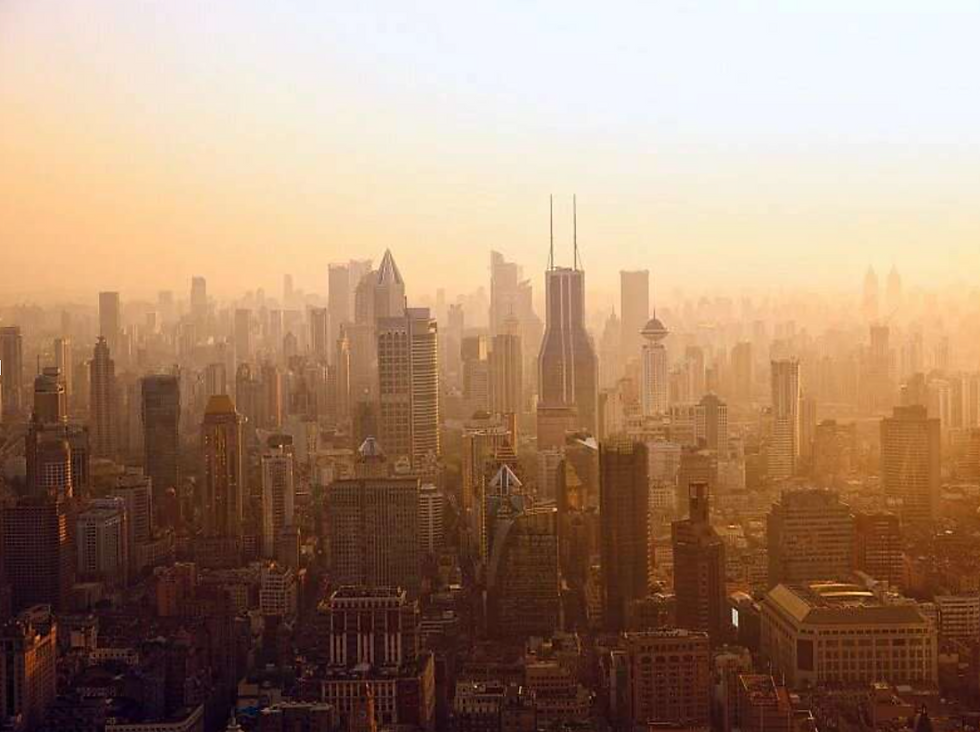
The Deadly Impact:
Smog is more than an inconvenience—it's a global public health threat. In 2019 alone, outdoor air pollution was linked to 4.5 million deaths, with an additional 2.2 million attributed to indoor air pollution. Today, air pollution ranks as the fourth-largest risk factor for early death worldwide.
Smog irritates the eyes, throat, and even lungs as well as worsens the symptoms for those with allergies or asthma. Soot, a powdery substance caused by smog, can work its way into your lungs and bloodstream, increasing the risk of many health issues, including bronchitis, heart attacks, and premature death.

Smog isn’t just a public health concern—it’s also a social equity issue. Many low-income communities are located near pollution sources such as highways, factories, and industrial zones. This leads to greater exposure to harmful air pollutants and results in disproportionate health impacts. Residents in these areas face higher risks of respiratory problems, chronic illnesses, and other pollution-related conditions, highlighting the unequal burden of environmental hazards.
Emerging Solutions:
However, all hope is not lost (thankfully), as there are many solutions to this problem. Reducing smog requires a combination of technology, clean energy, and smarter urban planning. Here are some promising solutions:
Carbon Capture and Storage (CCS): Captures CO₂ emissions from factories and power plants and stores them underground to prevent release into the atmosphere.
Air Purifiers: Use filters, activated carbon, and UV light to remove harmful particles and pollutants from indoor air.
Biofiltration: Involves plants and beneficial microorganisms that naturally break down air pollutants, improving air quality both indoors and outdoors.
Electric Vehicles (EVs): Run on electricity rather than gasoline, eliminating tailpipe emissions that contribute to smog.
Hydrogen Fuel Cells: Generate clean electricity with water as the only byproduct, offering a zero-emission alternative to fossil fuels.
Renewable Energy Sources: Solar, wind, hydro, and geothermal energy reduce our dependence on fossil fuels—the main driver of smog.
Air Quality Sensors: Provide real-time data on pollution levels, helping identify high-risk areas and guide public health responses.
Data Analytics: Forecasts pollution trends and informs smarter, data-driven mitigation strategies.
Drones: Monitor air quality in hard-to-reach or remote areas, giving a clearer picture of regional pollution.
Solar-Powered Smog Eliminators: Use sunlight to chemically break down pollutants in the air.
Nanotechnology: Creates advanced materials that enhance air filtration and pollution control.
Artificial Intelligence (AI): Optimizes traffic flow, industrial operations, and energy use to reduce emissions at the source.
Why Action Matters:
While it may not seem like such a big problem at first glance, smog is slowly taking over our cities, polluting the air and harming the health of the residents who live there. This invisible threat affects everyone, especially children, the elderly, and vulnerable communities. Addressing smog is not just about cleaner skies—it’s a crucial step toward protecting public health, promoting climate stability, and advancing social justice.
Sources:
Clarity. “Main Causes of Air Pollution in Big Cities.” Clarity Movement Co., 21 Apr. 2022, https://www.clarity.io/blog/main-causes-of-air-pollution-in-big-cities.
Natural Resources Defense Council. “Air Pollution: Everything You Need to Know.” NRDC, 22 Feb. 2024, https://www.nrdc.org/stories/air-pollution-everything-you-need-know#causes.
ACTenviro. “Air Pollution.” ACT Environmental Services, https://www.actenviro.com/air-pollution/
Next Time… Heatwaves In Major Cities


